Curtain Headings Explained: Pencil Pleat, Pinch Pleat, Eyelet and Wave
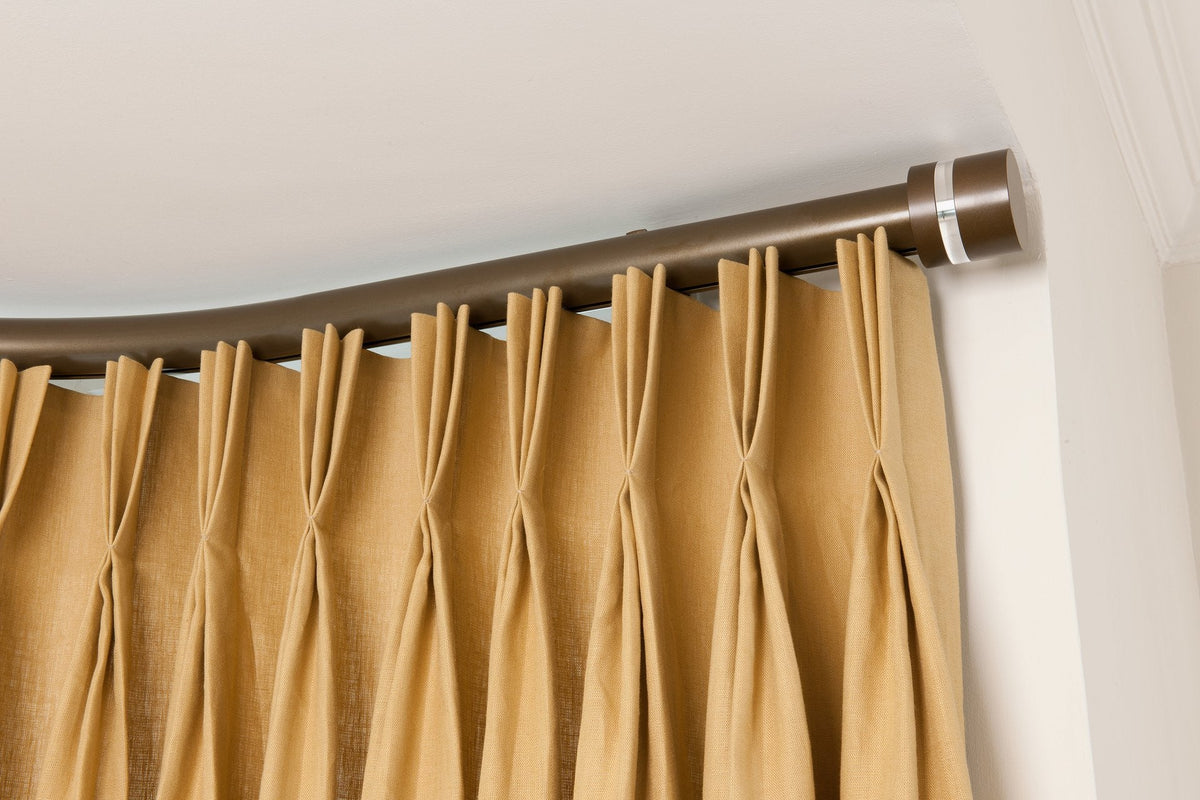
Quick answer: pencil pleat is the classic, pinch pleat is tailored and formal, eyelet is relaxed and modern, and wave gives a clean, even ripple. Your track or pole often helps decide.
The heading is the way the top of a curtain is gathered. It changes how full the curtain looks, how it moves and what it hangs from.
Pencil pleat

A narrow band of gathers across the top. It is traditional and versatile, and suits most rooms.
Pinch pleat

The fabric is gathered into neat, evenly spaced folds. It looks smart and holds its shape, which is why it suits lounges and formal rooms.
Eyelet

Metal rings are set into the top of the curtain and a pole passes through. It is clean and modern, and easy to open and close.
Wave

Soft, even ripples that stay consistent along the full width. Wave curtains hang from a dedicated track, and they suit contemporary homes and wide windows.
Which should I choose?
- Want it simple and classic: pencil pleat.
- Want something smart: pinch pleat.
- Want something relaxed and easy: eyelet.
- Want a modern look with a track: wave.
Fabric weight matters too, so we help you match the heading to the fabric. Book a free survey or call 01444 635090. See also tracks or poles and our curtains.

